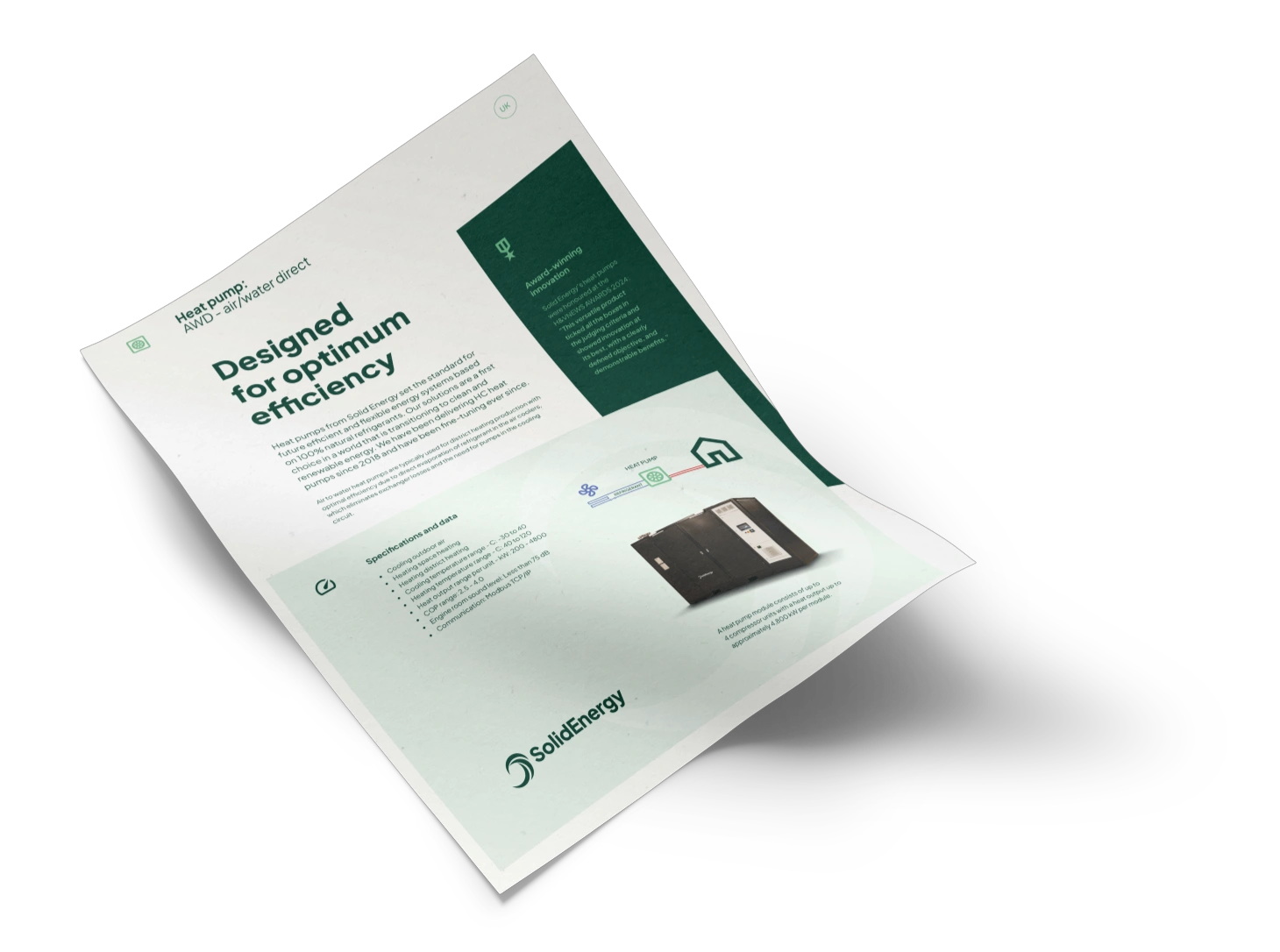
We used to be the alternative. Not anymore.
Just over ten years ago, we decided to build large-scale heat pumps using hydrocarbons as refrigerants. It wasn't the obvious choice. We were among the first to make the technology work commercially at scale. Today, it's no longer an alternative. It's a choice more and more companies are making.
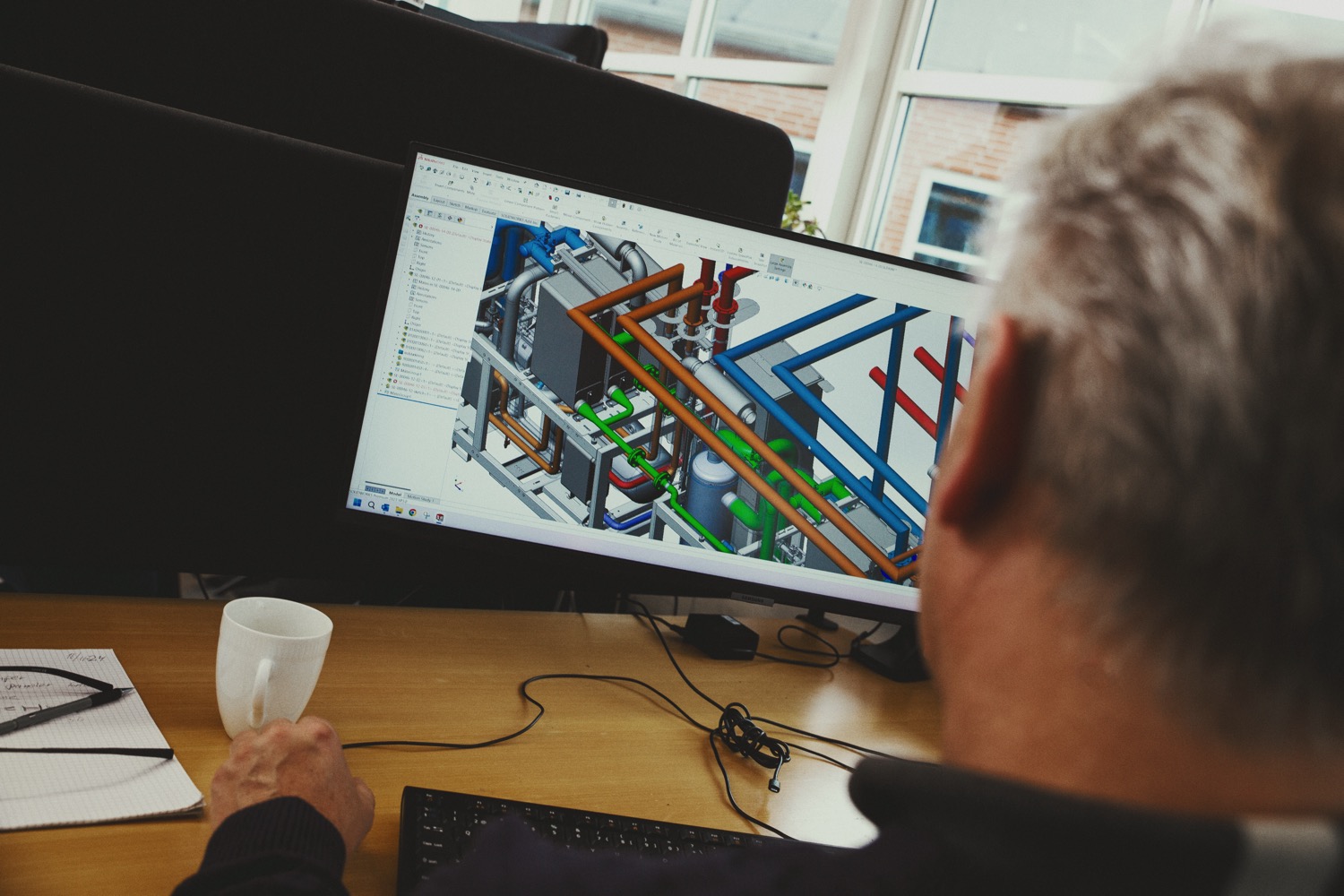
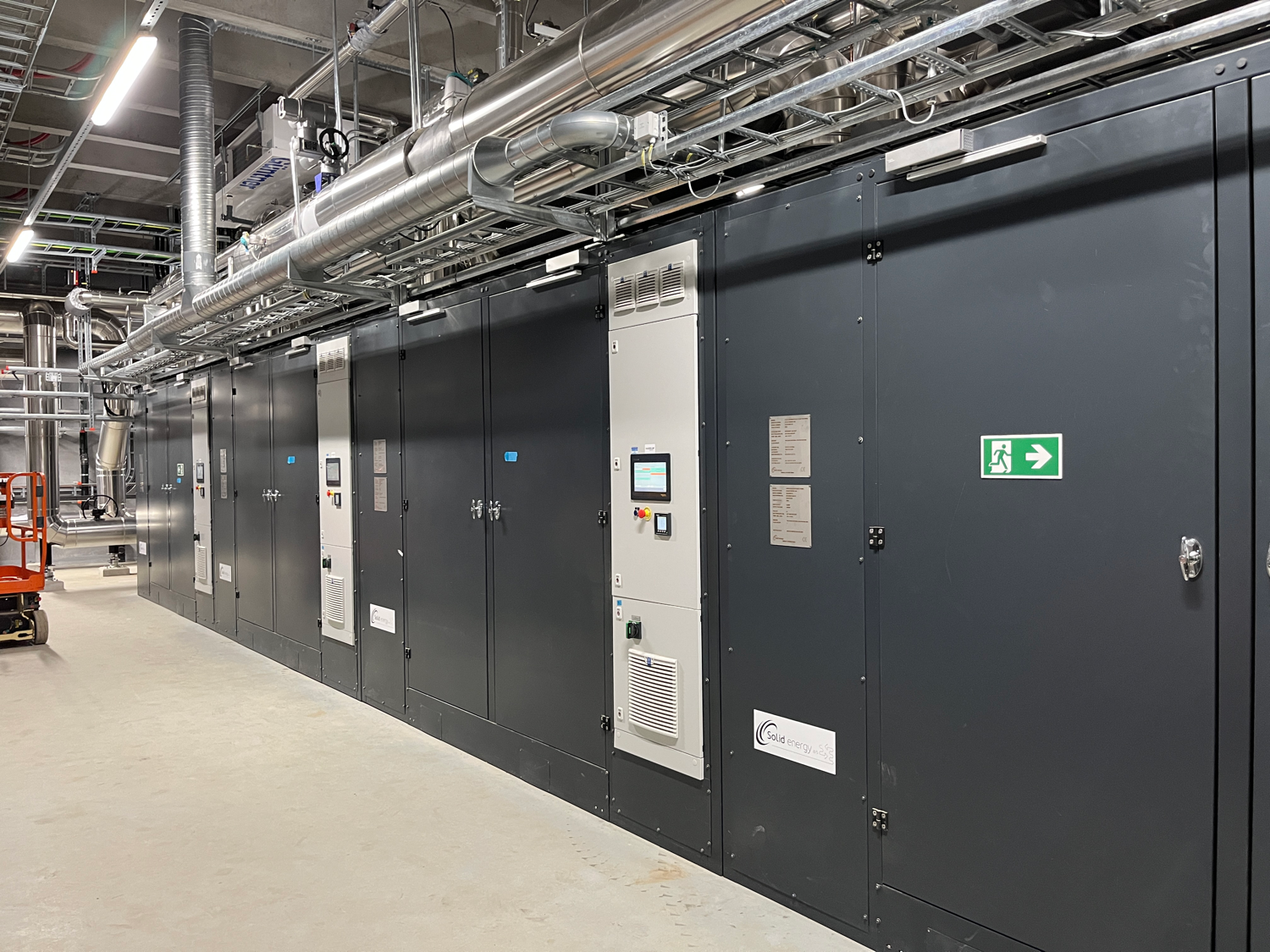
We have over 200 large-scale hydrocarbon installations in operation. Our heat pumps deliver temperatures of up to 165°C. And in October, we signed a European framework agreement with Innargi to supply heat pumps for its geothermal facilities.
So why have hydrocarbons gone from an alternative to a mainstream choice? There are three reasons.
Climate impact. Hydrocarbons have a global warming potential (GWP) of around 3 and do not deplete the ozone layer. Synthetic refrigerants are being progressively phased out. Choosing a natural refrigerant today means not having to worry about quota restrictions and rising refrigerant prices ten years down the line.
Technology. Hydrocarbons operate at significantly lower pressures than CO₂. This allows us to build robust systems using standard components while achieving high temperatures. It's why our heat pumps can reach 165°C, and why we're now working with Clayton to develop a heat pump capable of supplying steam to industry.
Safety. Ammonia is efficient, but it's also toxic and corrosive. Hydrocarbons are non-toxic. They are, however, flammable, and we take that seriously. With the right design, leak detection and safety systems, hydrocarbon heat pumps can be safely integrated into industrial facilities, including those in the food and pharmaceutical sectors.
This is what happens when something moves from being an alternative to becoming mainstream. It becomes less remarkable and more established. It's no longer about proving that the technology works. It's about delivering reliable performance, year after year.
When district heating companies and local authorities – and now industry – invest in heat pumps, they're investing in systems expected to operate for decades. That's why we believe the long-term future of the refrigerant should be a key consideration in every investment decision, including public tenders.
It's far easier to make the right choice today than to correct the wrong one ten years from now.
Ten years ago, hydrocarbons were the alternative choice. Today, they're a proven, reliable choice.
More news
New European framework agreement: Innargi and Solid Energy harvest heat from the earth's interior with Danish technology
Innargi and Solid Energy have entered into a framework agreement for heat pumps for Innargi’s geothermal plants in Denmark and the rest of Europe. The plants extract heat from kilometers underground, and Solid Energy’s heat pumps boost it to the temperature required for district heating. A green solution that helps phase out fossil fuels.
Read case
Solid Energy and Clayton Announce Strategic Collaboration on Steam Heat Pump
A collaboration that combines very high temperature heat pump technology with established steam expertise to accelerate the decarbonisation of industrial process heat.
Read case
XLX: When scale is no longer a constraint — but a design principle
How do we build energy solutions that not only match the needs of today — but can grow with it tomorrow?
Read case